The second generation.
Allah Bukhsh had five sons. Three of them stayed with the orchards. Land gets divided in families, and people move toward work that pays sooner and asks less of them; that happened here too. But three sons looked at what their father had built and decided it was worth carrying, and that was enough to keep it alive. One of them was Muhammad Ibrahim Nizamani, known to everyone as Haji Ibrahim.
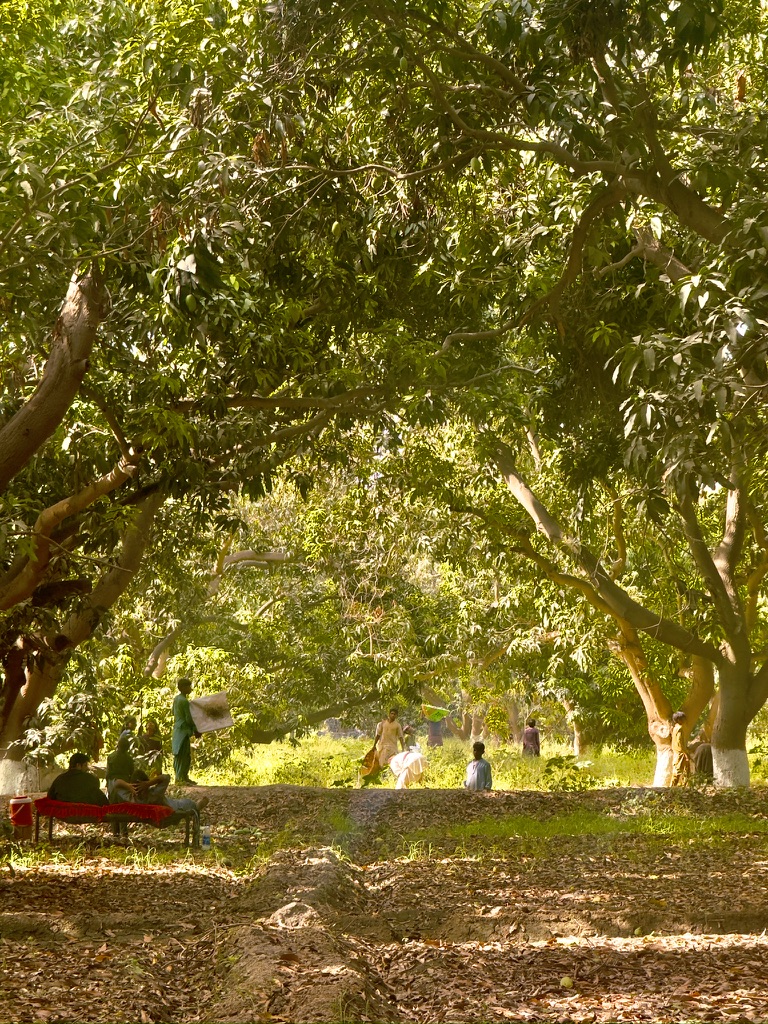
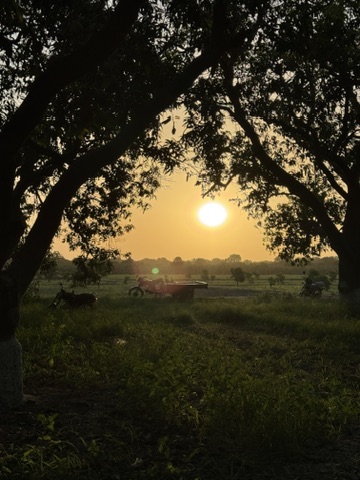
Under Haji Ibrahim and his brothers, the orchards grew from something one man had started into something a family maintained together. They learned the rhythms no book teaches: what an early flowering means for the crop, how the weather in February decides what you pick in June, which trees always produce and which ones need watching. This kind of knowledge does not get written down. It passes from a father to a son while they both stand under a tree, looking at the same branch.
The third generation.
Haji Ibrahim had five sons, and this time every one of them took up the orchards. All five. Among them is Muhammad Malook Nizamani, who is still with the orchards today.
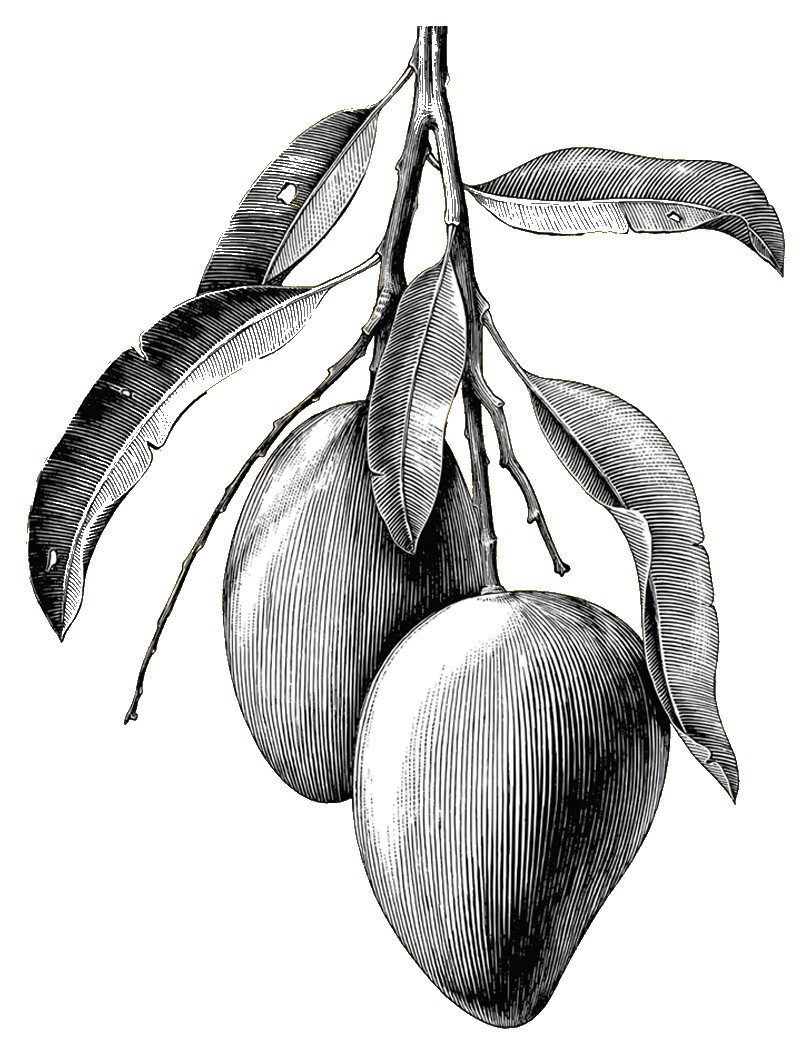
By this stage the land was no longer just an inheritance. It had become an identity. Mango farming in Sindh changed a great deal through these years, with new varieties, new methods, and new pressure from both the market and the climate. Malook and his brothers held on to what their father and grandfather taught them while adapting to a world that would not stand still, and they managed both. The Sindhri became our signature during these years, and it remains so: sweet, fibreless, golden all the way through. It is the mango that made Sindh famous.
The fourth generation.
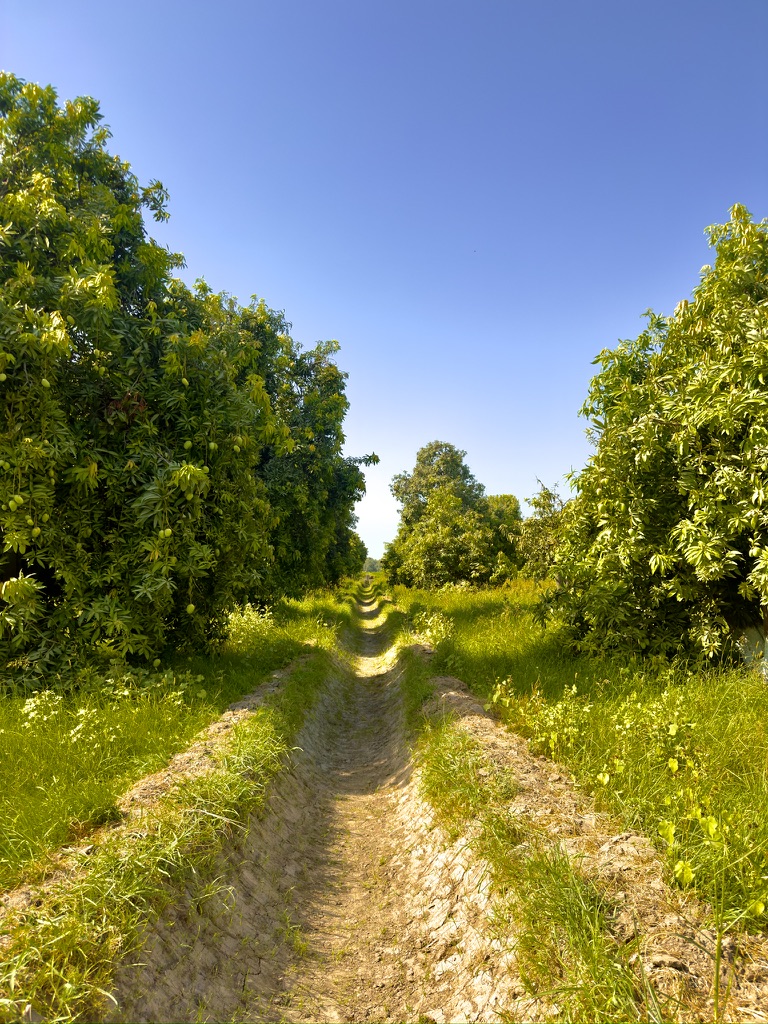
Today the orchards are managed by Haziq Ahmed Nizamani, the fourth generation of the family to work this land, and he does it with his father, Muhammad Malook, still beside him. That is the part we are quietly proud of: two generations walking the same rows at the same time. Whatever question Haziq has about a tree, there is someone on the property who has known that tree for fifty years and can answer it.
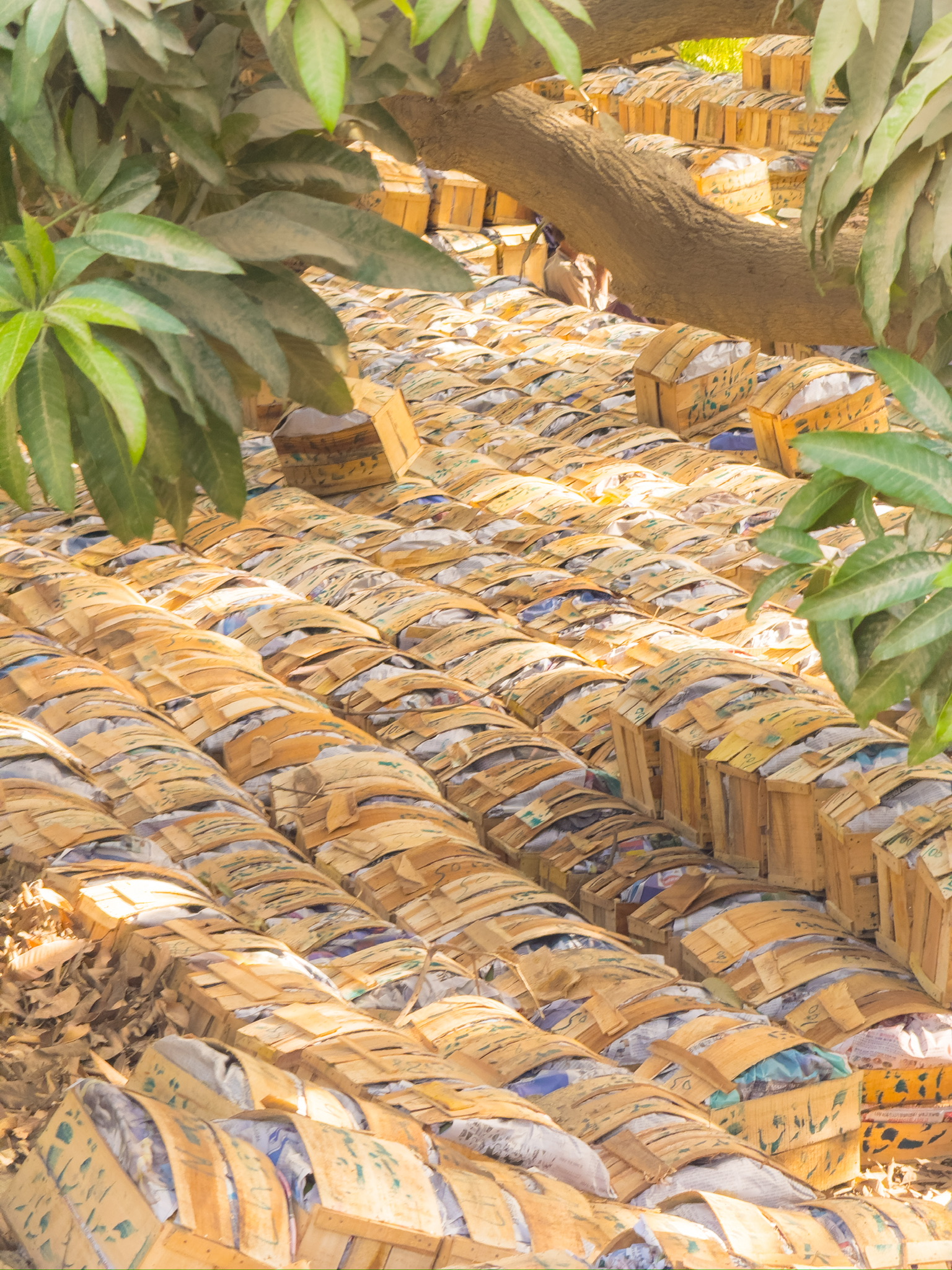
The work itself has not changed as much as people assume. You still walk the rows, still check the flowering, still worry about the weather in ways that keep you awake. What has changed is everything around the farm. We now supply mangoes across the whole of Pakistan, and our fruit has been shipped all over the world, to people who have no idea where it came from or who grew it. That is the part we want to fix.